Archive. This is an archive of the Apple Support Community. Discussions are being restored and soon you will be able to read and post here again.

Compromise iPhone, court evidence (files, photos, text) being tampered with. Please help

my iphone is getting comprimised constantly. I’m in a very bad custody case and I’m self representing myself. My files (evidence) photos are being deleted and shared files are popping up. How can I prove to the court that somebody is illegally tampering with my stuff?


2 replies

If you feel an unauthorized person/app is remotely using, controlling or monitoring your device, then that is possible only if you have done one or more of the following Don'ts...


  1. Don't hand over an iPhone to kids or to a stranger without Enabling Guided Access
  2. Don't share Apple IDs
  3. Don't Jailbreak
  4. Don't share sensitive information pertaining to your device
  5. Don't give in to Phishing
  6. Don't plug in your device in Airports and Public places through third-party cables and trust the device. Beware of Juice Jacking. (Especially in India)
  7. Don't leave your iPhone unlocked and unattended in public places like offices, schools, malls, etc.


If one of the above is true then quickly change the Apple ID Password and Return iPhone settings to their defaults.


If a person has ever had your passcode, they could’ve installed something quietly — so the full erase and setting up as new is the safest option. How to factory reset your iPhone, iPad, or iPod touch


Keep the iPhone updated to the latest iOS always and never Jailbreak. That's it.


iOS / iPadOS devices cannot be hacked or infected with Viruses / Malware / Spyware *** unless you have intentionally downloaded spurious software or unauthorized apps directly from the internet and installed them on your device, and/or have Jailbroken. 


It (Hacking) also depends on how careful you are in sharing sensitive and valuable information pertaining to your iPhone such as Passcode, Password, etc with your friends and family members.


Be judicious when sharing the device's sensitive and valuable information with friends and family members.


**The primary reason for this is Sandboxing. All third-party apps are “sandboxed”, so they are restricted from accessing files stored by other apps or from making changes to the device. Sandboxing is designed to prevent apps from gathering or modifying information stored by other apps.


Security of runtime process in iOS and iPadOS - Apple Support


The sandbox on an iPhone is a security feature that creates a restricted environment for each app to run in isolation from other apps and the operating system. It is a core component of iOS's security architecture and plays a crucial role in making iPhones more secure.


If you doubt the authenticity of the information provided earlier, you have two alternatives:

  1. Report the hacking incident to local law enforcement authorities and actively pursue the case.
  2. Accept the credibility of the information; it is impervious to hacking. Just as some individuals hold unconventional beliefs, such as a flat Earth or moon landing denial, one has the freedom to believe in anything. The choice ultimately rests with you in this open and free world.


Hack or Prank?


Skilled hackers are unlikely to invest time and resources in monitoring an unknown person's device, deleting photos, and tinkering with shared files. Firstly, hacking requires a certain level of expertise, knowledge, and tools, which can be quite valuable assets. A proficient hacker typically has a specific agenda, such as gaining unauthorized access to sensitive information, financial gain, or advancing their own personal or political interests.


Monitoring your iPhone would not yield any substantial benefits for a hacker. It would be a trivial and unproductive pursuit that lacks any significant value or purpose. Additionally, hacking activities are often motivated by tangible gains, such as financial rewards, access to valuable data, or the ability to manipulate systems for personal or ideological motives. Monitoring someone's device or deleting photos, and tinkering with shared files would not offer any meaningful advantage or serve a legitimate purpose but pranks would.


Moreover, hacking is an inherently risky activity that can have serious legal consequences. Engaging in unauthorized access, surveillance, or invasion of privacy is illegal in most jurisdictions. Skilled hackers typically operate with more calculated precision, targeting high-value entities or systems that present greater opportunities for achieving their objectives. The risks associated with hacking a device would far outweigh any potential benefits, making it an illogical and unprofitable endeavor.


In summary, hackers typically focus their efforts on more lucrative targets that align with their motives and offer substantial rewards. Investing time and resources into monitoring a device would be an inefficient and unproductive use of their skills, knowledge, and tools.


To protect your devices and personal information, it is crucial to follow good security practices such as using strong and unique passwords, keeping your software up to date, being cautious with email attachments and links, and ensuring that your devices have appropriate security measures in place.



On your iPhone, iPad, or iPod touch: Go to Settings > your name > Password & Security.Tap Turn On Two-Factor Authentication. Then tap Continue and follow the onscreen instructions.


Two-factor authentication for Apple ID - Apple Support (IN)


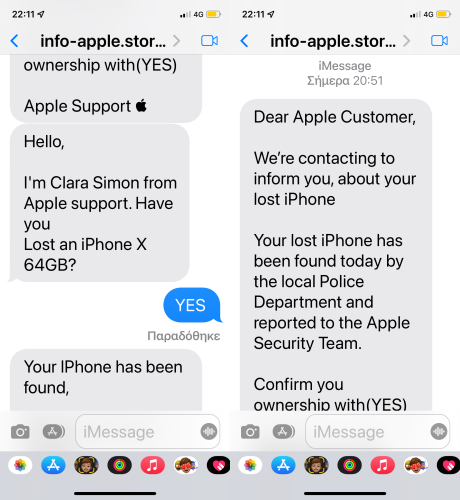
Beware of Phishing!: Be careful and be smart to -->  Recognize and avoid phishing messages, phony support calls ...

It (Phishing) may appear as the image given below.


Gain control of your Apple ID

If your Apple ID password has been changed by someone else, reset your password. Go to appleid.apple.com to update any personal or security information that isn't correct or that you don't recognize.27-Mar-2023


If you think your Apple ID has been compromised
